

Foreign exchange trading moves fast and reacts to global events in seconds. Managing risk in such an environment is essential for long-term survival. Artificial intelligence is now entering this space with tools designed to analyze data, predict outcomes, and support better decisions. Many traders and institutions are asking whether AI can truly improve risk management. The answer depends on how it is used, understood, and integrated into trading strategies.
Understanding Risk in Forex Trading
Risk in forex trading comes from volatility, leverage, and uncertainty. Prices change quickly due to economic news, political events, and market sentiment. Traders must manage exposure while protecting capital. Traditional risk management relies on stop losses, position sizing, and experience. These methods work but have limitations. Human emotion and delayed reactions often reduce effectiveness. This is where AI introduces a new approach to evaluating and responding to risk.
How AI Analyzes Market Data
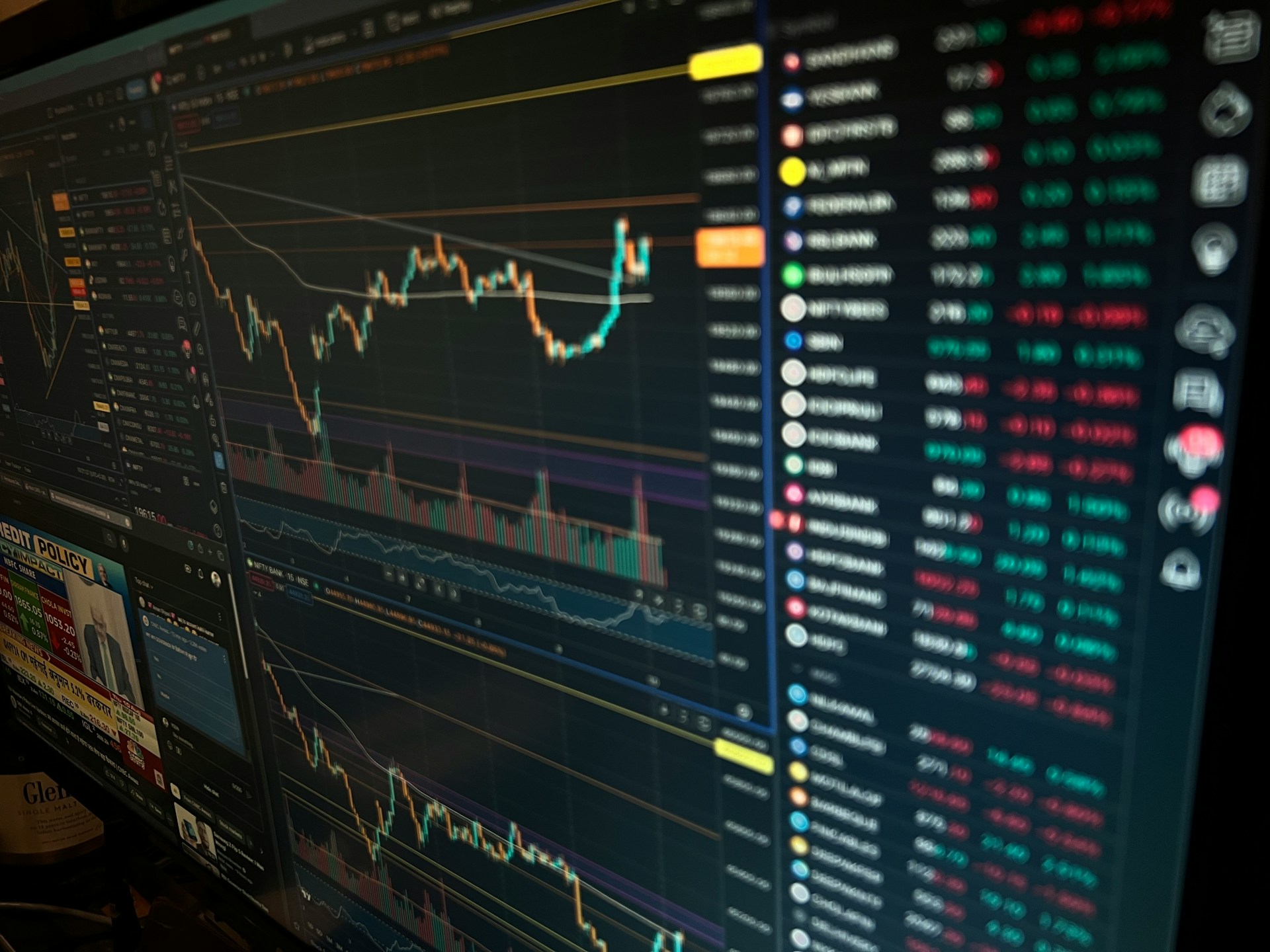
AI systems can process massive volumes of market data in real time. They analyze price movements, historical trends, and correlations across currency pairs. Machine learning models detect patterns that humans might overlook. This allows traders to gain insights faster. AI does not get tired or emotional. It evaluates information objectively and continuously. That capability creates a more structured way to identify potential risks before they escalate.
Predictive Models and Risk Forecasting
One of AI’s strongest contributions lies in prediction. Algorithms can estimate potential market outcomes using historical and live data. These predictive models help forecast volatility and price direction. While no model guarantees accuracy, forecasts can guide smarter decisions. Traders can prepare for possible scenarios rather than react late. This proactive approach makes risk planning more effective and controlled. It supports disciplined strategies instead of impulsive reactions.
Automated Risk Controls and Execution
AI can automate key risk management actions. Systems can adjust position sizes, apply stop losses, or close trades when predefined conditions are met. Automation reduces emotional interference. It also ensures rules are followed consistently. This consistency helps traders maintain discipline during volatile periods. Automated controls work around the clock, offering protection even when traders are inactive. Such systems provide a structured safety layer in fast-moving markets.
AI and Behavioral Risk Reduction
Human psychology often leads to poor trading decisions. Fear and greed influence timing and exposure. AI helps reduce these behavioral risks by relying on data instead of emotion. It follows logic and predefined parameters. This creates a more stable decision process. Traders can use AI insights to reflect on their habits and improve discipline. Over time, this support encourages more rational behavior and reduces costly mistakes driven by impulse.
Customization and Strategy Adaptation
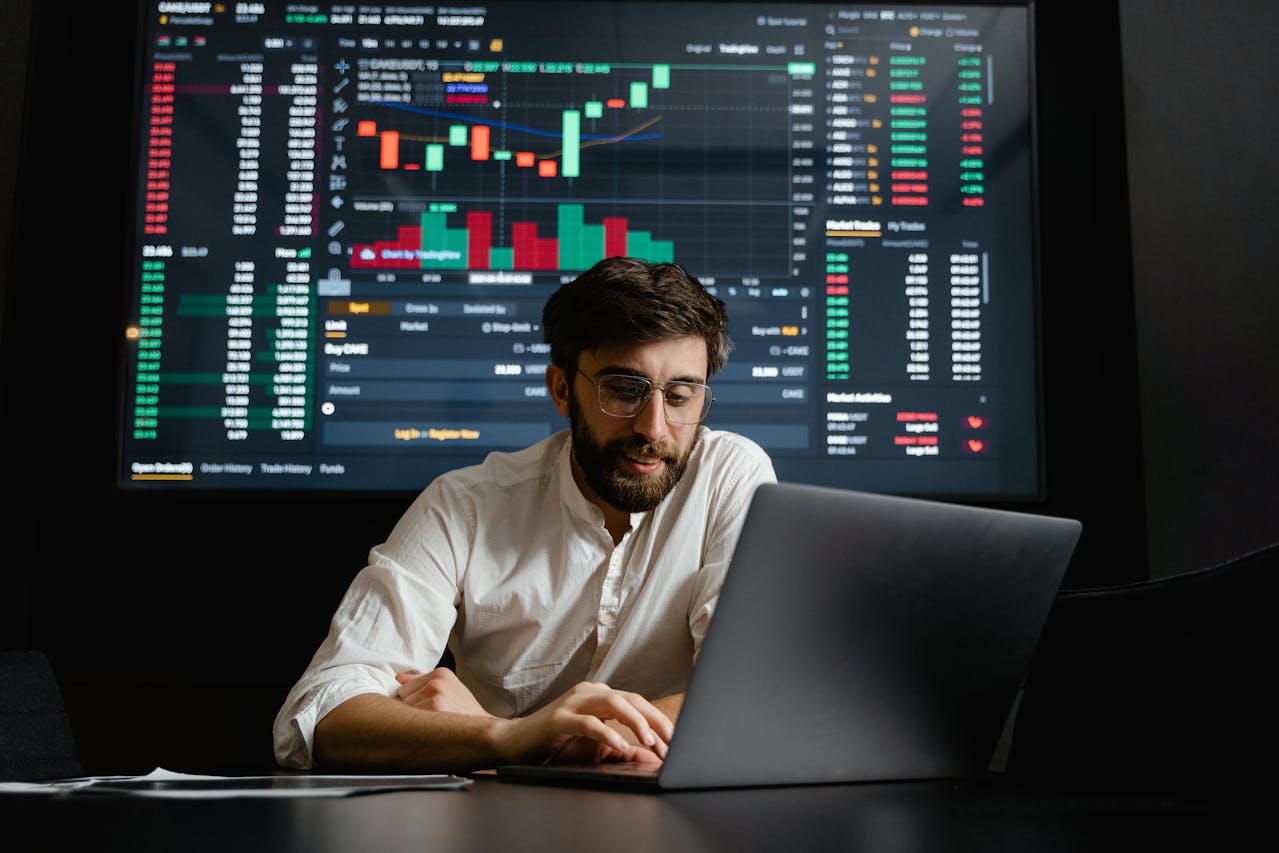
Modern AI tools allow customization based on trading style and risk tolerance. Models can adapt to different time frames, assets, and strategies. This flexibility helps align technology with personal goals. AI systems learn from new data and adjust accordingly. Such adaptability offers a unique advantage in changing markets. Traders can refine their approaches without rebuilding systems from scratch. This adaptability supports long-term sustainability in trading operations.
Limitations and Ethical Considerations
Despite its advantages, AI is not flawless. Models depend on data quality and assumptions. Poor inputs can lead to misleading outputs. Overreliance on automation may reduce human oversight. Market conditions can also change in ways that algorithms fail to predict. Ethical concerns include transparency and accountability. Traders must understand how tools operate and where responsibility lies. A balanced approach ensures technology supports decisions rather than replaces judgment.
AI will likely play a larger role in forex trading over time. Its ability to process data, adapt strategies, and manage exposure offers meaningful benefits. However, success depends on education and responsible use. Traders must combine technical tools with market knowledge. When applied carefully, AI can enhance control and efficiency. It can help ensure more stable decision-making and better preparation for uncertainty. The goal is not perfection but improvement. With thoughtful integration, AI may reshape how risk is managed across global currency markets.